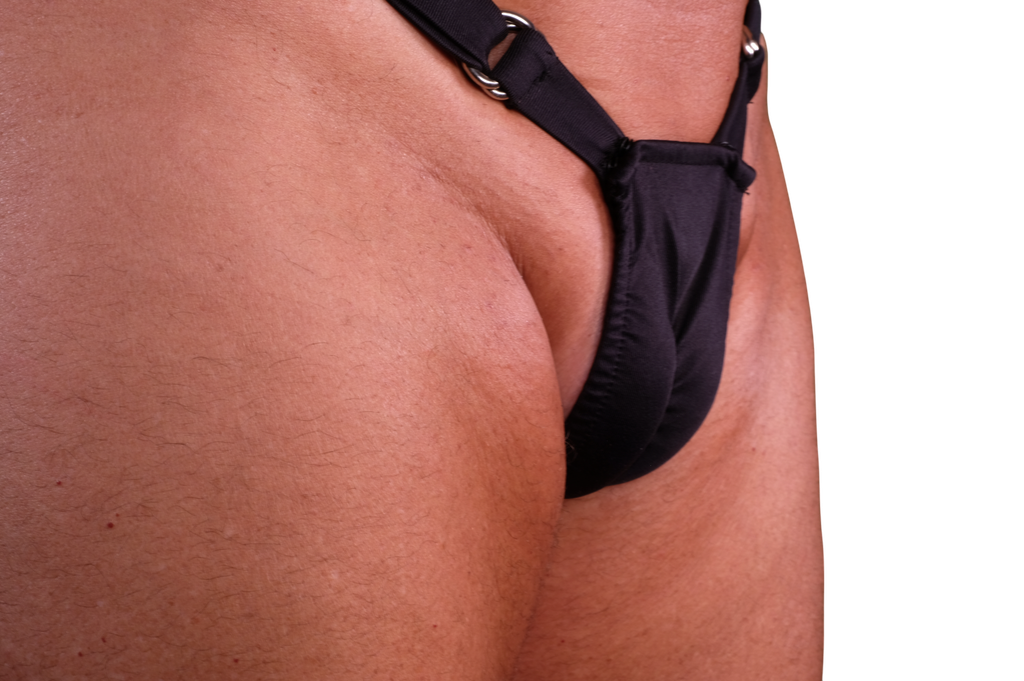
Steps to Gender Transformation: The Complete Guide to Exploring Your Feminine Side and Male-to-Female Transformation
From Your First Feminine Outfit to MTF Swimwear, Transformation Panties, Body Grooming, FuFu Clips, Feminization, and Living Confidently as Your Feminine Self
Introduction: Your Gender Transformation Journey Starts With You
Have you ever looked in the mirror and wondered what you would look like as a woman? Have you imagined yourself wearing beautiful feminine clothing, slipping into a tiny bikini, having completely smooth skin, or seeing a feminine silhouette instead of a traditional male appearance?
Perhaps you have already experimented with panties, leggings, feminine swimsuits, or other clothing. Maybe you have discovered that you love looking feminine but want to take your transformation further.
Or perhaps you are just beginning to explore this side of yourself and wondering where to start.
Gender transformation can be one of the most exciting, personal, and meaningful journeys a person undertakes.
For some, it is about becoming more comfortable with a feminine gender identity. For others, it is about crossdressing, enjoying feminine fashion, or experimenting with a different appearance.
Some men enjoy transforming their appearance while continuing to identify as male. Others discover that they are transgender women and want to pursue a social or medical transition. Gender-fluid individuals may enjoy moving between masculine, feminine, and androgynous presentations.
There is no single correct path.
One person may begin with feminine underwear and eventually wear women’s clothing every day. Another may enjoy a complete feminine transformation only on weekends or vacations.
Some want hormones or gender-affirming surgery. Others have no interest in permanent physical changes.
And for many people, specialty products such as MTF transformation swimwear, feminine panties, FuFu Clips, Flying-V Feminizers, and gender-fluid clothing offer opportunities to experiment with their appearance without permanent changes.
At Koalaswim.com, we have spent more than 35 years exploring innovative swimwear designs, including styles that emphasize masculine anatomy, minimize the male bulge, or create a more feminine appearance.
One of the most fascinating aspects of gender transformation is discovering just how much a person’s appearance can change through clothing, grooming, styling, and carefully designed body-shaping garments.
This complete guide explores the steps involved in creating a feminine presentation, building confidence, choosing transformation products, and deciding how far you want your personal journey to go.
Step 1: Understanding What Gender Transformation Means to You
Before changing your appearance, the most important step is understanding what you want from the experience.
The phrase gender transformation can mean different things to different people.
For some, it means temporarily changing their outward appearance from masculine to feminine.
For others, it means exploring their gender identity.
And for transgender individuals, it may involve a broader process of social, legal, or medical transition.
Gender Expression Versus Gender Identity
Gender expression refers to how someone presents themselves through clothing, grooming, hairstyle, behavior, and other visible characteristics.
Gender identity refers to someone’s internal understanding of their gender.
These two aspects of a person are related, but they are not the same.
A man can enjoy wearing feminine clothing while identifying fully as male.
A transgender woman may identify as female regardless of what clothing she wears.
A gender-fluid person may experience their gender identity or expression differently over time.
Understanding these distinctions can make the journey less confusing.
Ask Yourself What You Want to Experience
You might be interested in:
- Wearing feminine panties, lingerie, and bodysuits.
- Developing a smooth, hair-free appearance.
- Experimenting with makeup, hairstyles, and feminine accessories.
- Wearing feminine bikinis, thongs, and micro swimsuits.
- Creating a flatter or more traditionally feminine-looking genital silhouette.
- Exploring MTF transformation swimwear and panties.
- Going shopping or visiting the beach while dressed femininely.
- Developing a feminine wardrobe for everyday life.
- Exploring a feminine name or social identity.
- Learning about gender-affirming medical care.
You do not need to pursue every option.
The first step is deciding what femininity means to you rather than following someone else’s definition.
Step 2: Begin With Feminine Clothing
For many people, the first experience with gender transformation involves clothing.
It may be something as simple as trying on a pair of panties or leggings.
That first experience can reveal how much enjoyment or comfort feminine clothing provides.
Feminine Panties
Panties are often a starting point because they can be worn privately or beneath everyday clothing.
Popular styles include bikini panties, thongs, G-strings, high-cut designs, and seamless underwear.
Some people prefer conventional women’s panties, while others choose styles specifically designed to accommodate male genital anatomy.
MTF transformation panties may offer additional shaping or support.
Feminine Leggings
Leggings are another popular choice.
Their soft stretch fabric, close fit, and wide range of colors make them appealing to people exploring feminine fashion.
Some prefer leggings that show their natural anatomy, while others use shaping underwear to create a smoother front.
Bodysuits
A feminine bodysuit can create a sleek silhouette.
Bodysuits can be paired with leggings, skirts, shorts, or other clothing.
They are available in many styles, from modest athletic designs to high-cut fashion pieces.
Dresses and Skirts
Some people eventually expand their wardrobe to include dresses, skirts, blouses, and other traditionally feminine clothing.
Others prefer feminine athletic wear or swimwear.
There is no requirement to adopt a particular wardrobe to express femininity.
Developing Your Personal Style
Experiment with colors, fabrics, and cuts.
Take time to discover which garments make you feel attractive and comfortable.
A successful transformation is not necessarily the most dramatic one.
It is the appearance that feels right to you.
Step 3: Explore Body Grooming and Smooth Skin
For some people, smooth skin is an important part of their feminine presentation.
Removing body hair can change the appearance and feel of the legs, chest, arms, and bikini area.
However, body hair is not inherently masculine, and removing it is entirely optional.
Shaving
Shaving provides immediate results.
It is relatively inexpensive and can be done at home.
Common areas include the legs, chest, underarms, and bikini line.
Use appropriate shaving products and avoid excessive pressure to reduce irritation.
Waxing
Waxing removes hair from the root and generally provides longer-lasting smoothness than shaving.
Professional waxing may be preferable for sensitive areas.
Laser Hair Removal
Laser hair removal can provide long-term hair reduction.
It typically requires multiple sessions, and results vary depending on skin and hair characteristics.
For people who prefer consistently smooth skin, it may reduce the need for frequent shaving.
Skin Care
A feminine grooming routine may also include moisturizing, gentle exfoliation, and sun protection.
Healthy skin can improve comfort when wearing tight spandex clothing or minimal swimwear.
Nails and Other Details
Manicures, pedicures, painted nails, and other beauty practices can become part of a personal transformation routine.
Some people enjoy dramatic colors and styling.
Others prefer a subtle appearance.
The objective is to discover what makes you feel confident.
Step 4: Develop a Feminine Silhouette
Clothing can dramatically influence the body’s visible proportions.
A feminine silhouette is often associated with a defined waist, rounded hips, and particular clothing shapes.
However, women’s bodies vary enormously, and there is no single body type that defines femininity.
Choosing Flattering Clothing
High-waisted garments can emphasize the waist.
A-line skirts may create the appearance of fuller hips.
Fitted tops and coordinated outfits can influence overall proportions.
Padded Garments
Some people use padded underwear or shapewear to create the appearance of fuller hips or buttocks.
These garments provide temporary cosmetic changes.
Breast Forms and Padded Tops
For people who want the appearance of breasts, padded bras, breast forms, or specially constructed clothing may be options.
A matching bikini top can also contribute to a complete feminine beach outfit.
Fitness and Body Confidence
Exercise can improve strength, posture, and overall fitness.
However, it is important not to assume that a person must achieve a particular body shape before expressing femininity.
People of every age, size, and body type can enjoy feminine clothing.
Step 5: Understanding MTF Genital Appearance Transformation
For some people, changing the visible appearance of the genital area is an important part of feminine presentation.
Conventional men’s underwear and swimwear typically accommodate a visible male bulge.
Specialty MTF garments may instead create a smoother or more traditionally feminine-looking front.
There are several approaches.
Natural Feminine Styling
Some people wear feminine clothing without attempting to conceal or reshape their anatomy.
A feminine bikini or pair of panties can be enjoyable regardless of the visible front contour.
Micro-Bulge Designs
Micro-bulge underwear and swimwear use specialized pouch construction to create a smaller-looking front.
These designs may appeal to people who prefer minimal projection without full tucking.
Smooth-Front Shaping Garments
Other garments use supportive stretch fabric or specialized panels to minimize visible genital contours.
Tucking Panties
Tucking panties are designed to help maintain a flatter front.
Tucking should never involve forceful positioning, painful pressure, or circulation restriction.
Feminine-Contour Transformation Designs
Some specialty garments are marketed to create the visual suggestion of external female genital anatomy.
These may be described as vagina-effect or camel-toe-effect designs.
The result is cosmetic and does not create female genital anatomy.
Changing the appearance of the genital area is a personal choice, not a requirement of femininity or gender transition.
Step 6: Exploring FuFu Clips and Flying-V Feminizers
For people interested in specialized external appearance transformation, FuFu Clips and Flying-V Feminizers are additional products sometimes discussed within the feminization market.
These accessories are generally marketed to temporarily alter the appearance of external male genital tissue.
What Is a FuFu Clip?
A FuFu Clip is a specialty accessory intended to reshape or reposition external tissue to create a more feminine-looking contour.
Different products may have different constructions and fitting requirements.
The term does not describe a standardized medical device.
What Is a Flying-V Feminizer?
A Flying-V Feminizer is marketed to produce a feminine V-shaped or simulated vulvar appearance.
The actual effect depends on the specific design.
How Are These Different From MTF Panties?
MTF panties generally use garment construction and fabric support.
A separate feminizer accessory may apply more concentrated pressure directly to sensitive tissue.
This distinction is important for comfort and safety.
Safety Considerations
Mechanical accessories that pinch, clamp, pull, or compress genital tissue can cause injury.
Potential problems include skin damage, numbness, swelling, and impaired circulation.
There is limited clinical evidence establishing the long-term safety of these specialty products.
They should not be assumed safe for extended wear, sleeping, swimming, or strenuous activity.
For beginners, a properly fitted shaping garment is generally a more conservative option than a mechanical device.
Step 7: Discover MTF Transformation Panties
MTF panties are one of the most practical ways to explore a feminine appearance beneath everyday clothing.
They can be worn under jeans, leggings, skirts, dresses, and other garments.
Traditional Feminine Panties
These prioritize feminine styling and may not substantially alter the appearance of the genital area.
Compression Panties
These use supportive fabric to reduce visible projection.
Proper sizing is essential.
Tucking Panties
These are designed to help maintain a flatter silhouette.
Transformation-Effect Panties
Some specialty designs create a simulated feminine anatomical contour.
Thong-Style MTF Panties
These combine minimal rear coverage with specialized front shaping.
Choosing the Right Style
Consider your anatomy, comfort, clothing, and desired appearance.
For everyday wear, comfort should take priority over achieving the flattest possible front.
Avoid products that cause pain, numbness, skin discoloration, or difficulty urinating.
Step 8: MTF Transformation Swimwear — Taking Your Feminine Look to the Beach
For many people, wearing a feminine swimsuit in public is an exciting milestone.
A swimsuit reveals more of the body’s silhouette than ordinary clothing, making fit and design especially important.
Specialty MTF swimwear offers a range of options.
Feminine Bikini Swimsuits
High-cut legs, narrow sides, and reduced rear coverage can create a traditionally feminine silhouette.
Some designs accommodate natural male anatomy.
Others provide shaping.
Smooth-Front MTF Bikinis
These aim to minimize visible genital projection.
They can create a front appearance similar to conventional women’s bikini bottoms.
Camel-Toe-Effect Swimsuits
Certain specialty designs incorporate shaping intended to create the cosmetic suggestion of a feminine external genital contour.
Micro and Ultra-Micro MTF Swimwear
These designs combine minimal fabric coverage with feminine styling or shaping.
Because of their small size, secure fit and appropriate coverage are particularly important.
MTF Thong Swimsuits
Thong styles provide minimal rear coverage and can complement a feminine silhouette.
Gender-Cancelling Swimwear
Some designs aim to minimize visible anatomical definition without creating a specifically feminine contour.
Choosing Swimwear for Public Use
A swimsuit should remain secure while walking, sitting, and swimming.
Check local coverage rules before wearing extremely minimal designs at public beaches or pools.
At Koalaswim.com, specialty designs include masculine, feminine, micro-bulge, and MTF transformation styles, giving customers a wide range of possible appearances.
Step 9: Explore Makeup, Hair, and Feminine Presentation
A complete feminine appearance may involve more than clothing.
Hair styling, makeup, accessories, and personal grooming can influence the overall look.
Makeup for Beginners
Some people begin with subtle makeup, such as tinted moisturizer, mascara, or lip color.
Others enjoy experimenting with more dramatic looks.
Learning basic techniques can make the process more enjoyable.
Hairstyles and Wigs
A hairstyle can significantly influence facial appearance.
Some people grow their hair longer.
Others experiment with wigs or hairpieces.
Eyebrow Grooming
Eyebrow shape can affect facial expression and overall presentation.
Professional grooming may help someone explore different styles.
Jewelry and Accessories
Earrings, necklaces, bracelets, handbags, and other accessories can complement feminine clothing.
Finding Your Own Look
Not everyone wants a glamorous or highly made-up appearance.
Some prefer casual, sporty, or understated femininity.
The best presentation is the one that feels natural to you.
Step 10: Practice Confidence in Private Before Going Public
For many people, wearing feminine clothing privately is much easier than wearing it in public.
That is understandable.
Public gender expression can involve concerns about judgment, unwanted attention, or personal safety.
Confidence often develops gradually.
Begin With Comfortable Outfits
Choose clothing that fits properly and feels secure.
Experiment With Different Combinations
Try coordinating tops, bottoms, shoes, and accessories.
Take Photographs for Yourself
Photographs can help you evaluate clothing combinations and identify styles you enjoy.
You do not need to share them publicly.
Practice Ordinary Activities
Try walking, sitting, and moving in your outfit.
This is especially important with high heels, fitted garments, or minimal swimwear.
Set Your Own Pace
There is no deadline for taking your feminine presentation into public.
Some people become comfortable quickly.
Others prefer to explore privately for a long time.
Both approaches are valid.
Step 11: Your First Public Feminine Experience
The first public outing can be one of the most memorable steps in a gender transformation journey.
For some people, it might be a shopping trip while wearing leggings.
For others, it might be visiting a salon, attending a supportive social event, or wearing a feminine bikini at the beach.
Choose a Welcoming Environment
A supportive setting can make the experience more comfortable.
Consider Bringing a Friend
A trusted companion can provide reassurance.
Wear Clothing That Fits Securely
You will likely feel more confident if you are not constantly adjusting your outfit.
Prepare for Different Reactions
Some people may be supportive.
Others may be curious or indifferent.
Unfortunately, negative reactions are also possible.
Your safety and comfort should guide where and how you choose to express yourself.
Remember Why You Are Doing It
The goal is not to impress strangers or prove that your transformation is complete.
It is to enjoy expressing yourself.
Step 12: Gender Transformation in Relationships
Exploring femininity can affect romantic relationships, particularly when a partner is learning about these interests for the first time.
Some partners are immediately supportive.
Others need time to understand what the changes mean.
Communicate Clearly
Explain whether your interests involve clothing, gender expression, gender identity, or a desire for medical transition.
These are different experiences.
Respect Your Partner’s Feelings
A partner may have questions or concerns.
Open conversation can help prevent misunderstandings.
Explore Shared Activities
Some couples enjoy shopping together, selecting outfits, or experimenting with coordinated swimwear.
Others prefer separate interests.
Avoid Pressure
A supportive relationship does not require either partner to participate in activities that make them uncomfortable.
Mutual respect is essential.
Step 13: Understanding Social Gender Transition
For some people, exploring feminine clothing eventually leads to a desire to live publicly in a different gender role.
This is often described as social transition.
Social transition may include changes in name, pronouns, clothing, hairstyle, or how someone introduces themselves.
Not everyone who enjoys feminine fashion wants to socially transition.
For transgender individuals, however, social transition can be an important part of living authentically.
Choosing a Name
Some people adopt a name that better reflects their gender identity.
Others keep their existing name.
Pronouns
A person may choose pronouns that align with their identity.
Everyday Presentation
Social transition may involve wearing gender-affirming clothing at work, school, social gatherings, or other settings.
Family and Friends
Sharing changes with loved ones can be meaningful but may also require planning and support.
Personal Safety
The decision to disclose a gender identity or change public presentation should take individual circumstances into account.
There is no obligation to come out before feeling ready.
Step 14: Medical Gender Transition — Understanding the Options
Some transgender people pursue medical treatments to bring their physical characteristics into closer alignment with their gender identity.
Others do not.
Medical transition is not required to be transgender.
It is also different from temporary cosmetic transformation through clothing or accessories.
Gender-Affirming Hormone Therapy
For people assigned male at birth who seek feminizing physical changes, hormone therapy may involve estrogen and medications that reduce testosterone effects.
Possible changes can include breast development, changes in skin texture, changes in body-fat distribution, and reduced spontaneous erections.
Effects vary between individuals.
Some changes are reversible after stopping treatment, while others, such as breast development, may be lasting.
Hormone therapy can affect fertility and carries medical risks, so it should be managed with a qualified healthcare professional.
Voice Training
Some people pursue voice training to develop a speaking voice that better reflects their preferred presentation.
This can involve pitch, resonance, speech patterns, and communication style.
Hair Removal
Laser or electrolysis treatments may be used to reduce facial or body hair.
Gender-Affirming Surgery
Some transgender people consider surgical procedures, which may include facial procedures, breast augmentation, orchiectomy, or genital reconstruction.
These procedures have different purposes, risks, recovery periods, and eligibility considerations.
Not everyone wants surgery.
Fertility Considerations
Certain medical treatments can affect reproductive potential.
Anyone considering hormone therapy or surgery who may want biological children in the future should discuss fertility preservation before treatment.
Individualized Medical Guidance
Medical transition should be based on personal goals, informed consent, and qualified clinical care.
No one should feel pressured to pursue medical treatment simply because they enjoy feminine clothing or transformation products.
Step 15: Building a Feminine Lifestyle That Works for You
Gender transformation does not necessarily end with a particular outfit or physical appearance.
For some people, femininity becomes an important part of everyday life.
They may develop a wardrobe, grooming routine, social identity, and personal style that reflects their preferences.
Others enjoy occasional feminine expression while continuing to present masculinely in most settings.
Everyday Feminine Clothing
Leggings, fitted tops, feminine shorts, and other garments can become part of a regular wardrobe.
Swimwear and Vacations
Some people especially enjoy feminine expression while traveling or visiting beaches and resorts.
Fitness and Wellness
Exercise, skin care, and grooming can support overall well-being.
Social Connections
Supportive friends and communities can make gender exploration more enjoyable.
Personal Confidence
Perhaps the most important development is becoming comfortable with your choices.
A transformation does not need to satisfy anyone else’s expectations to be meaningful.
Step 16: Gender Transformation for Older Adults
There is no age limit on exploring gender expression.
Some people begin experimenting with feminine clothing in their teens or twenties.
Others discover these interests much later.
A person in their fifties, sixties, seventies, or beyond can enjoy feminine fashion, swimwear, grooming, and personal transformation.
For some older adults, the process can feel especially liberating.
They may have spent decades following traditional expectations about how men should dress and behave.
Later in life, they may feel more willing to explore interests they previously kept private.
You Do Not Need a Young Body
Feminine clothing is not limited to people with youthful or model-like physiques.
Start With Comfortable Styles
Choose garments that fit your body and lifestyle.
Enjoy the Process
There is no reason to rush toward a particular appearance.
Remember That Identity Has No Expiration Date
People can learn new things about themselves at any age.
It is never too late to explore a style or identity that brings you happiness.
Step 17: Common Mistakes to Avoid During Gender Transformation
A successful transformation journey should be enjoyable, safe, and personally meaningful.
Several common mistakes can make the process unnecessarily difficult.
Trying to Change Everything at Once
Experiment gradually rather than feeling obligated to adopt an entirely new appearance immediately.
Comparing Yourself With Models
Promotional photographs often feature carefully selected lighting, poses, and body types.
Your appearance does not need to match an advertisement.
Wearing Clothing That Is Too Tight
Undersized compression garments can cause discomfort or injury.
Using Unsafe Genital-Shaping Methods
Avoid painful tucking, excessive compression, improvised devices, and products that restrict circulation.
Assuming Feminine Clothing Means You Must Transition
Gender expression and gender identity are different.
Enjoying feminine clothing does not automatically mean someone wants medical transition.
Ignoring Personal Safety
Choose public environments carefully, especially when experimenting with a new presentation.
Letting Other People Define Your Goals
Your transformation should reflect your own preferences rather than pressure from friends, partners, or online communities.
Step 18: How Koalaswim Fits Into the Gender Transformation Journey
Specialty swimwear and underwear can be important parts of exploring feminine appearance.
For more than 35 years, Koala has developed unusual and innovative men’s swimwear designs.
At Koalaswim.com, the selection includes styles that appeal to customers with very different preferences.
Some want large masculine anatomical pouches.
Others prefer tiny micro-bulge or ultra-micro designs.
Some enjoy feminine bikini cuts while retaining their natural anatomy.
Others are interested in MTF transformation swimsuits that create a smoother or more traditionally feminine-looking front.
This variety reflects an important reality.
There is no single appearance that every customer wants.
A feminine man may prefer a tiny bikini with a natural pouch.
A transgender woman may want a supportive, smooth-front swimsuit.
A crossdresser may enjoy transformation panties beneath everyday clothing.
A gender-fluid person may choose different styles depending on the occasion.
The objective is to provide choices that conventional swimwear often overlooks.
From bikinis and thongs to specialty MTF designs, swimwear can be an enjoyable part of personal transformation.
Frequently Asked Questions About Gender Transformation
What is the first step in gender transformation?
The first step is understanding your personal goals. Some people begin with feminine clothing, while others explore their gender identity or seek professional guidance.
Can a man transform his appearance into a feminine look without surgery?
Yes. Clothing, grooming, makeup, hairstyles, and temporary shaping garments can create a feminine appearance without permanent anatomical changes.
Does wearing women’s clothing mean someone is transgender?
No. Clothing preferences do not determine gender identity.
Can straight men enjoy MTF transformation clothing?
Yes. Sexual orientation and gender expression are separate.
What are MTF transformation panties?
They are specialty underwear designs intended to provide support, minimize visible genital projection, or create a more feminine-looking silhouette.
What is MTF transformation swimwear?
It is swimwear designed to create a smoother or more traditionally feminine front appearance.
What is the difference between micro-bulge and MTF swimwear?
Micro-bulge designs generally create a smaller-looking male pouch. MTF designs may aim for a smooth front or simulated feminine contour.
What is a FuFu Clip?
A FuFu Clip is a specialty accessory marketed to temporarily reshape the appearance of external male genital tissue.
What is a Flying-V Feminizer?
A Flying-V Feminizer is an accessory marketed to create a feminine V-shaped or simulated vulvar appearance.
Can FuFu Clips permanently transform male anatomy?
No. These accessories do not create female reproductive anatomy or safely produce permanent sex-characteristic changes.
Is tucking necessary for a feminine appearance?
No. Some people use tucking, while others prefer shaping garments or simply wear feminine clothing without concealing their anatomy.
Can a person be gender-fluid without medically transitioning?
Yes. Gender-fluid identity does not require hormones, surgery, or any particular clothing style.
Can older men explore gender transformation?
Absolutely. There is no age limit on gender expression or self-discovery.
Can I wear MTF swimwear at a public beach?
Generally, yes, provided the swimsuit meets local coverage rules and venue policies.
How long does gender transformation take?
There is no fixed timeline. Temporary appearance changes can happen quickly, while social or medical transition may unfold over months or years.
Do all transgender women want surgery?
No. Medical goals vary, and surgery is not required for a person to be a transgender woman.
Can gender transformation improve confidence?
For some people, expressing their preferred appearance can improve comfort and confidence. Experiences vary, and there is no guaranteed emotional outcome.
Is gender transformation the same as crossdressing?
Not necessarily. Crossdressing involves clothing, while gender transformation may refer to broader changes in appearance, presentation, identity, or medical characteristics.
Can someone enjoy feminine fashion while still identifying as a man?
Yes. Many men enjoy feminine clothing while continuing to identify fully as male.
What is the most important part of a gender transformation journey?
Understanding your own goals, making informed choices, protecting your health, and expressing yourself in ways that feel authentic.
Conclusion: Your Gender Transformation Journey, Your Rules
Gender transformation is not a single event.
It is a process of discovering how you want to look, dress, feel, and present yourself.
For some people, the journey begins with a simple pair of feminine panties.
For others, it starts with a beautiful bikini, smooth skin, or the desire to see a feminine reflection in the mirror.
Some explore MTF transformation swimwear, micro-bulge designs, or shaping garments.
Others develop an entire feminine wardrobe, experiment with makeup, or begin presenting femininely in public.
And for transgender individuals, the journey may include social transition, medical treatment, or other changes that support their gender identity.
There is no universal destination.
One person may enjoy temporary feminine transformation while remaining comfortable identifying as male.
Another may discover that living as a woman is an important part of her identity.
Someone else may move between masculine and feminine presentations throughout life.
All of these experiences deserve respect.
At Koalaswim.com, we believe that innovative swimwear and clothing should give people more freedom to express themselves.
From masculine anatomical designs to feminine MTF transformation bikinis, the goal is to offer choices that help customers find the appearance they enjoy.
Your gender transformation does not have to follow anyone else’s expectations.
You can begin slowly.
You can experiment.
You can change your mind.
You can embrace femininity privately or publicly.
And you can decide how far you want your transformation to go.
The most important thing is that your choices are informed, comfortable, safe, and genuinely your own.
Your body. Your style. Your identity. Your transformation.
The journey begins whenever you decide you are ready to explore.