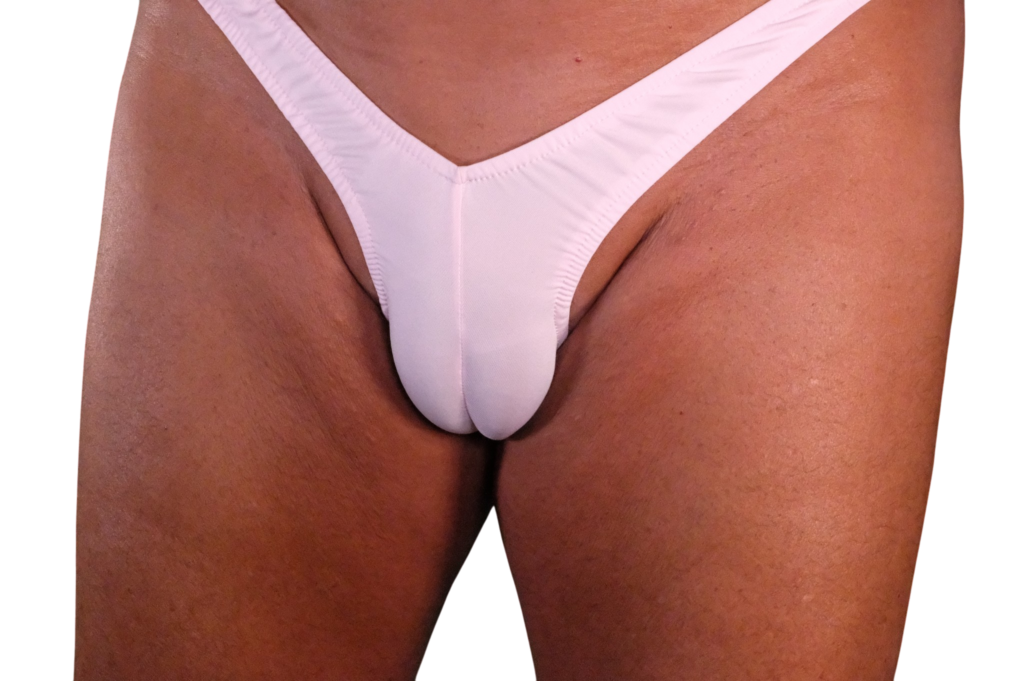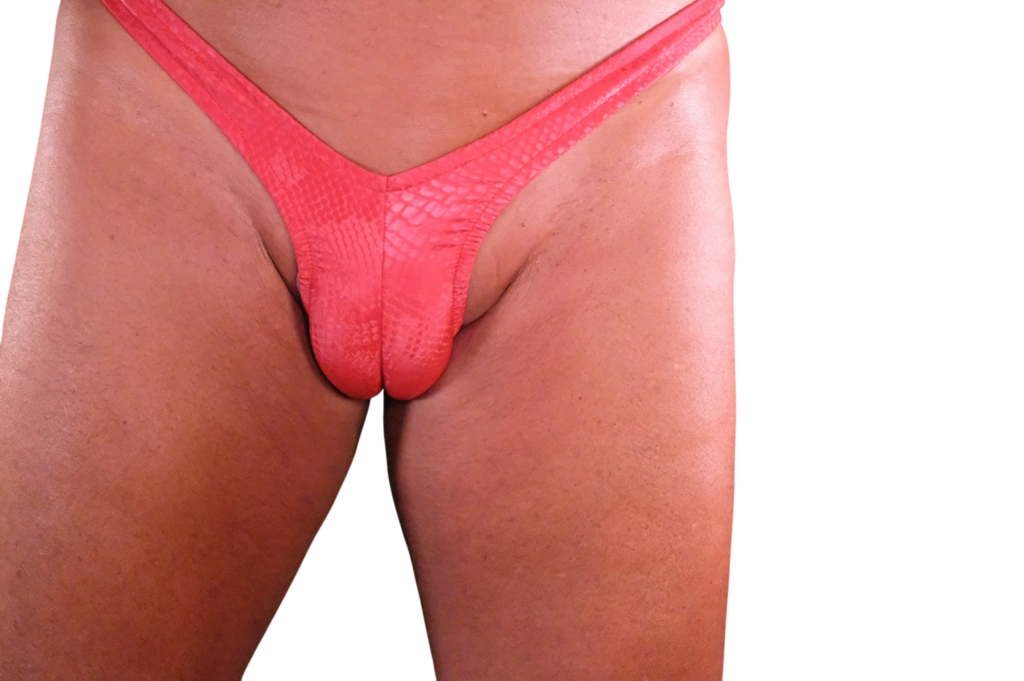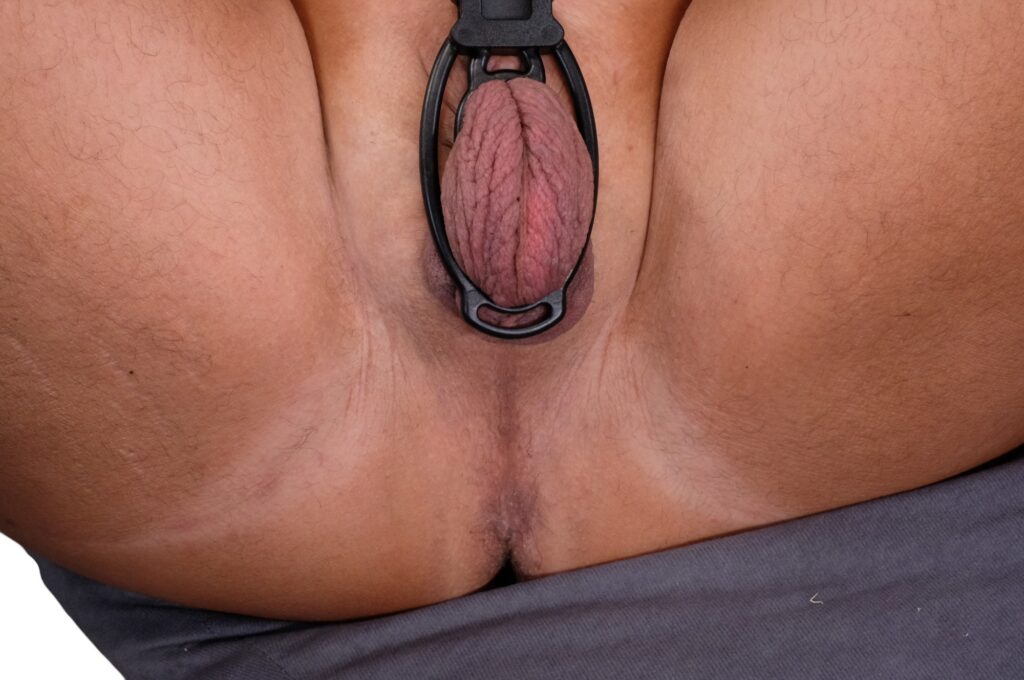
Gender Transformations Using FuFu Clips: The Complete Guide to Non-Surgical MTF Feminization
How FuFu Clips, Feminizer Accessories, MTF Swimwear, and Tucking Techniques Can Help Create a Feminine Appearance Without Surgery
Gender transformation does not always involve hormones, surgery, or permanent changes to the body. For many people exploring male-to-female (MTF) feminization, the goal is to create a more feminine appearance using clothing, grooming, body shaping, and specialized accessories.
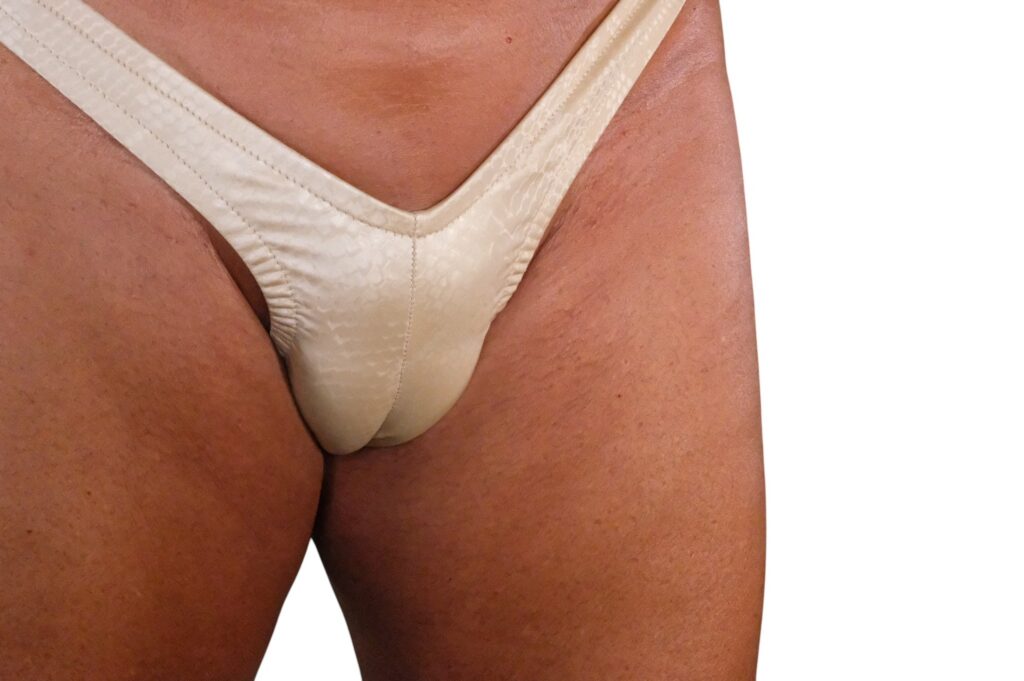
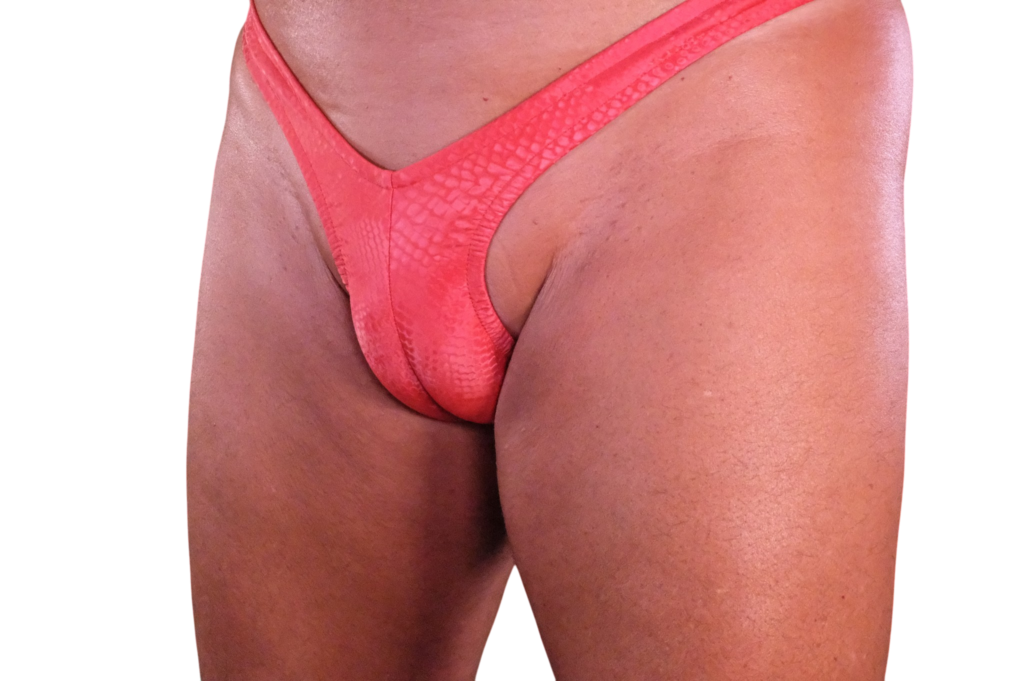
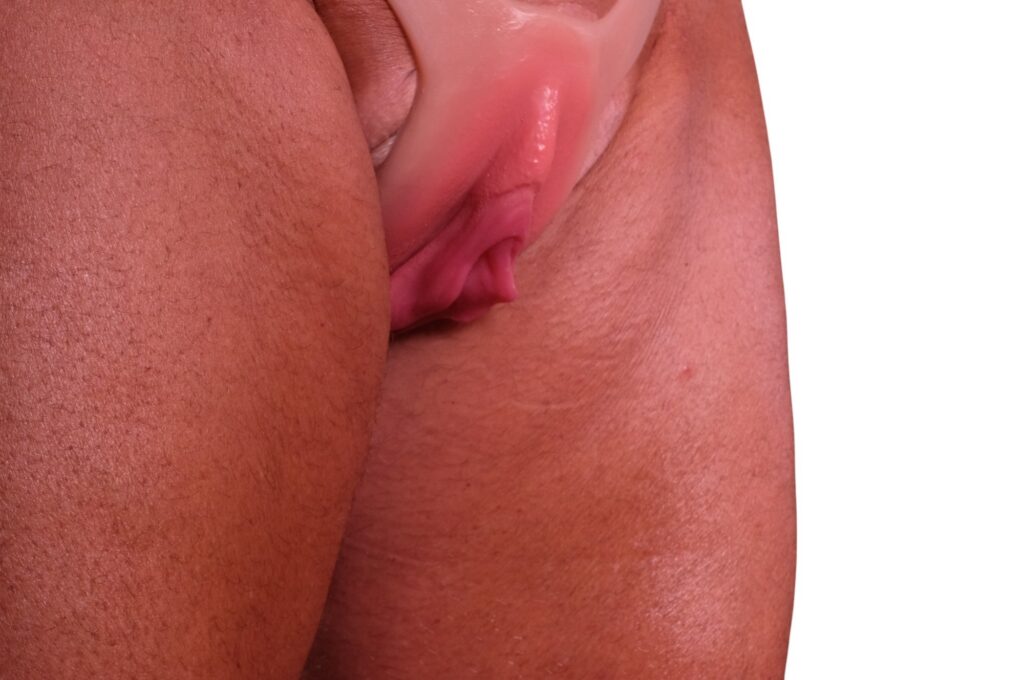
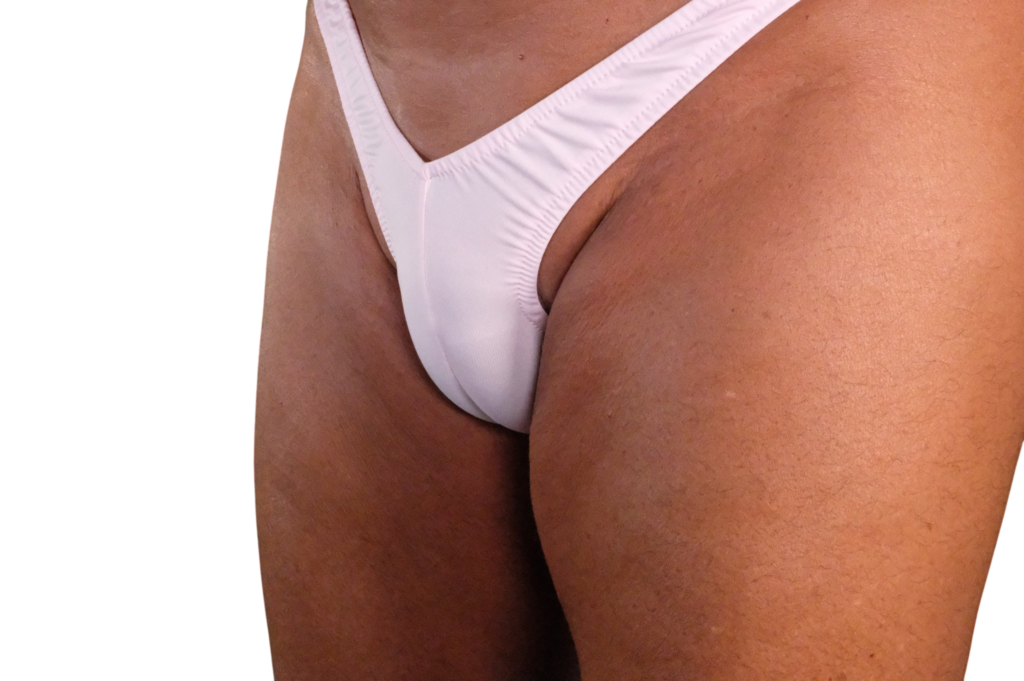
One of the more unusual products in the non-surgical feminization market is the FuFu Clip, an external accessory marketed to change the visible appearance of male genital anatomy into a shape resembling female external genitalia.
For some feminine men, crossdressers, sissies, femboys, and transfeminine individuals, creating a feminine genital silhouette is an important part of their transformation.
Traditional women’s panties may not produce the appearance they want. Conventional men’s swimwear often emphasizes the genital bulge, while MTF designs attempt to reduce or conceal it.
FuFu Clips represent a different approach: rather than relying exclusively on fabric compression or padding, these accessories are intended to reposition external genital tissue to create a feminine-looking contour.
Their appeal is understandable for people who want to experiment with a different appearance without permanent anatomical changes. However, these devices have important limitations, and independent evidence establishing their safety and effectiveness is limited.
This guide explores the concept behind FuFu Clips, the different feminization goals they are marketed for, how they compare with tucking and MTF garments, and the practical considerations involved in non-surgical gender transformation.
What Is a FuFu Clip?
A FuFu Clip is a specialty genital-feminization accessory marketed to alter the outward appearance of male external genital tissue.
The term is associated with products sold through specialty adult and MTF transformation retailers, including Koalaswim.com.
Unlike conventional panties, gaffs, or shapewear, FuFu Clips are designed to act directly on external genital tissue.
Their advertised purpose is to create a more traditionally feminine appearance, sometimes including contours intended to resemble the external folds of a vulva.
This distinction is important.
A FuFu Clip does not create a vagina, produce female reproductive anatomy, or permanently transform male genitalia.
Instead, it is intended to create a temporary cosmetic effect.
Why are FuFu Clips called transformation accessories?
The word transformation refers to the visible change in appearance.
A person may have a conventional male genital profile before using a feminization accessory and a different, more feminine-looking profile afterward.
For someone interested in MTF presentation, that visual difference can be meaningful.
However, the appearance produced by an accessory should not be confused with medical gender transition or anatomical reconstruction.
Why People Are Interested in Gender Transformations Using FuFu Clips
There are several reasons someone might become interested in a FuFu Clip.
1. Creating a feminine genital appearance
For some people, the most appealing feature is the possibility of reducing the appearance of a penis and creating a contour associated with female external anatomy.
They may enjoy wearing feminine clothing but feel that a conventional genital bulge conflicts with their desired silhouette.
2. Experimenting without permanent changes
Some individuals want to explore feminine presentation without undergoing medical treatment.
Temporary garments and accessories allow experimentation without committing to irreversible procedures.
3. Enhancing the appearance of MTF clothing
Certain feminine outfits, particularly fitted leggings, panties, and swimwear, reveal the contours beneath the fabric.
A person who prefers a smooth or feminine front may seek products designed to create that appearance.
4. Exploring personal gender expression
Some users identify as men who enjoy femininity.
Others identify as nonbinary, gender-fluid, or transfeminine.
The desire for a feminine appearance does not automatically determine gender identity.
5. Enjoying a complete visual transformation
For some crossdressers and feminine men, creating a coordinated appearance from head to toe is an important part of dressing femininely.
Hair, makeup, clothing, body shaping, and the genital silhouette may all contribute to the look they want.
How Do FuFu Clips Create a Feminine-Looking Appearance?
FuFu Clips are generally marketed as devices that temporarily reposition portions of external genital tissue to change their visible contour.
Some product descriptions emphasize creating folds or shapes intended to resemble female external genital anatomy.
The precise mechanism depends on the particular product.
Different designs may use different shapes, materials, and methods of holding tissue.
Because these products are not standardized medical devices, a description of one design should not be assumed to apply to every FuFu Clip.
The visual concept
The cosmetic objective is to change a protruding male genital profile into a less projecting or more feminine-looking shape.
Some wearers may seek a relatively flat front.
Others may be interested in the appearance of vulvar contours.
Results depend on individual anatomy, product design, and fit.
There is no reliable basis for claiming that FuFu Clips consistently create a realistic vulva for every wearer.
What changes physically?
Any visible transformation is temporary and external.
The accessory does not alter the underlying reproductive structures, create a vaginal opening, or change biological function.
The appearance generally returns to its usual state after the accessory is removed, assuming no injury has occurred.
FuFu Clips Versus Traditional Tucking
Tucking is one of the better-known methods of creating a smoother genital silhouette.
It is used by some transgender women, crossdressers, nonbinary individuals, and feminine men.
The goal is generally to reduce visible genital projection beneath clothing.
FuFu Clips are marketed for a somewhat different result.
| Feature | FuFu Clips | Traditional tucking garments |
|---|---|---|
| Primary objective | Create a shaped feminine-looking external contour | Create a smoother, flatter front |
| Basic method | Localized mechanical tissue positioning | Support and gentle compression |
| Visual effect | May suggest vulvar contours | Usually flat or reduced bulge |
| Permanent anatomical change | No | No |
| Typical application | Cosmetic feminization | Clothing and silhouette management |
| Safety evidence | Limited independent evidence | More established practical guidance, though risks remain |
| Potential concerns | Pinching, pressure, circulation and tissue injury | Excessive compression, irritation, discomfort |
For many individuals, a properly fitted tucking garment may be a simpler way to achieve a smooth silhouette.
Someone specifically interested in a shaped feminine contour may be attracted to FuFu Clips, but the mechanical pressure involved requires particular caution.
Understanding the Different Feminization Effects
Not everyone seeking an MTF transformation wants the same appearance.
Some want to minimize the genital bulge.
Others want a completely smooth front.
Still others are interested in garments or accessories that visually suggest female external anatomy.
The reduced-bulge appearance
This style aims to make the front profile smaller and less noticeable.
It may be achieved with appropriately designed underwear or swimwear.
The flat-front appearance
Flat-front garments attempt to minimize projection beneath clothing.
They are popular among some people who prefer a feminine or gender-neutral silhouette.
The feminine-contour appearance
Some products are designed to create the impression of external vulvar contours rather than a completely flat surface.
FuFu Clips are commonly marketed around this concept.
The full feminine presentation
For some individuals, genital silhouette is only one element of a broader transformation.
A complete presentation may include feminine clothing, makeup, hairstyles, breast forms, hip shaping, and accessories.
The most satisfying result is not necessarily the most dramatic one. It is the appearance that feels comfortable and authentic to the wearer.
FuFu Clips and MTF Transformation Swimwear
Swimwear is one of the clothing categories where genital silhouette can be particularly noticeable.
Thin, elastic fabrics often follow the body’s natural contours.
Conventional men’s swimsuits typically provide room for male genital anatomy, and some designs deliberately emphasize a pronounced pouch.
MTF swimwear takes a different approach.
These designs may use specialized fabric construction to reduce projection or create a more traditionally feminine front.
Flat-front MTF bikinis
Flat-front bikini designs are intended to create a smooth appearance beneath the swimsuit.
Some use additional lining, supportive panels, or specialized shaping.
Tucking swimsuits
Tucking swimwear is designed to help maintain a smooth silhouette.
These garments may resemble conventional women’s bikini bottoms while offering additional support.
Feminine-contour swimsuits
Some specialty designs attempt to create the visual impression of female external genital anatomy using garment construction or shaping elements.
Micro and ultra-micro MTF swimsuits
Specialty retailers such as Koalaswim.com offer very minimal swimwear designs, including styles marketed toward gender-fluid and MTF presentation.
These may feature narrow sides, reduced front panels, and feminine styling.
Can FuFu Clips be combined with MTF swimsuits?
Some FuFu Clip products are marketed for use beneath feminine clothing, but that does not establish their safety when combined with tight swimwear.
A swimsuit can increase pressure on an underlying accessory.
Walking, swimming, sitting, and changes in posture may cause movement or concentrated pressure against sensitive tissue.
Because independent safety evidence is limited, routine use of FuFu Clips during swimming or prolonged activity cannot be recommended.
A swimsuit designed to create the desired silhouette without a separate mechanical device may be a more comfortable and practical alternative.
FuFu Clips and Feminine Panties
For people exploring non-surgical feminization, underwear is often an important starting point.
Some prefer conventional women’s panties.
Others choose garments designed specifically for male anatomy.
MTF panties may include features intended to reduce visible genital projection or create a feminine silhouette.
Feminine underwear options
Traditional bikini panties: A familiar feminine style that may work for some body types.
Tucking panties: Garments designed to provide additional support and a smoother front.
Flat-front panties: Designs emphasizing a reduced-bulge appearance.
Feminine-contour panties: Garments incorporating shaping elements intended to suggest female anatomy.
Lace and decorative lingerie: Styles emphasizing feminine fashion and appearance.
For many wearers, selecting the right garment is more important than adding a separate device.
A well-designed pair of MTF panties can create a feminine silhouette while avoiding the localized mechanical pressure associated with some genital clips.
Can FuFu Clips Work for Different Penis Sizes?
This is a common question among people researching genital feminization products.
Some may assume that smaller genital anatomy makes transformation easier.
Others may wonder whether a device can accommodate a larger penis.
The reality is more complicated.
Individual anatomy varies in tissue distribution, sensitivity, skin elasticity, and other characteristics.
Product dimensions and construction also vary.
There is insufficient independent research to establish reliable performance or safety across different penis sizes.
Small penis sizes
Having a smaller penis does not automatically make a FuFu Clip safe or guarantee a particular visual result.
Localized pressure can still cause discomfort or injury.
Average penis sizes
A product’s advertised compatibility should not be interpreted as evidence that it can safely accommodate every individual within a particular size range.
Larger penis sizes
Trying to force tissue into a device that does not fit can increase the risk of injury.
The goal should never be to achieve a cosmetic result through painful pressure.
Regardless of anatomy, comfort and safety must take priority.
Are FuFu Clips Safe?
Safety is one of the most important considerations when discussing these accessories.
Genital tissue contains sensitive nerves, blood vessels, and delicate skin.
Devices that pinch, clamp, or compress this tissue can create risks.
Potential problems include:
- Skin irritation and chafing.
- Pinching or bruising.
- Swelling.
- Restricted circulation.
- Numbness or altered sensation.
- Pressure-related tissue injury.
- Difficulty urinating.
- Injury caused by improper fit or prolonged compression.
A device should never cause significant pain.
Numbness, coldness, unusual discoloration, swelling, or persistent discomfort are warning signs.
If these symptoms occur, the accessory should be removed promptly if it can be removed safely.
Severe pain, persistent swelling, inability to urinate, or a device that cannot be removed safely requires urgent medical attention.
Important precautions
Never substitute household clips, clamps, or improvised devices.
Avoid products with sharp edges or uncertain materials.
Do not force tissue into an uncomfortable position.
Do not sleep while wearing an unverified genital compression device.
Do not assume that a product is suitable for exercise, swimming, or prolonged wear.
Do not combine multiple tight devices or layers of compression.
If a product lacks clear manufacturer instructions or safety information, avoiding its use is the safer choice.
FuFu Clips Are Not the Same as Gender-Affirming Surgery
One important distinction is that cosmetic feminization accessories do not produce the anatomical results of surgery.
A FuFu Clip cannot create a vaginal canal or permanently reconstruct genital anatomy.
Gender-affirming surgical procedures are medical treatments that may alter external anatomy and, depending on the procedure, create a vaginal canal.
These procedures involve specialist medical evaluation, informed consent, recovery, and long-term considerations.
A removable cosmetic accessory serves a different purpose.
It may appeal to someone who wants a temporary visual effect, but it is not a substitute for medical treatment when that treatment is desired or indicated.
Gender Transformations Without Surgery: More Than FuFu Clips
FuFu Clips are only one part of the broader world of non-surgical feminization.
Many people achieve their desired presentation without using any genital shaping device.
Feminine clothing
Dresses, skirts, leggings, fitted tops, and lingerie can create a traditionally feminine style.
Makeup
Foundation, contouring, eye makeup, and lip color can change facial presentation.
Hair styling
Wigs, longer hairstyles, and different haircuts can help create a feminine appearance.
Body shaping
Breast forms, padded bras, hip padding, and shapewear can alter the visible body silhouette.
Hair removal
Shaving, waxing, laser hair removal, and other methods may be used to reduce facial or body hair.
MTF underwear and swimwear
Specialized garments can create a smoother or more feminine silhouette beneath clothing.
Voice and presentation
Some people explore voice training, movement, posture, and other forms of gender expression.
Each option can be considered independently.
There is no requirement to use every method or pursue a complete transformation.
Partners and the Gender Transformation Experience
Some people explore feminization privately.
Others enjoy sharing the experience with a wife, girlfriend, husband, or boyfriend.
A supportive partner may help select clothing, apply makeup, choose hairstyles, or compare different MTF garments.
Some couples enjoy experimenting with feminine presentation as a shared hobby or form of intimacy.
Others incorporate feminization into consensual roleplay or power exchange.
The important principle is that participation remains voluntary.
No partner should pressure someone into wearing a device, changing their body, or presenting publicly in a way that makes them uncomfortable.
In particular, a genital accessory should never be used as a tool for coercion, punishment, or unwanted humiliation.
The Appeal of a Feminine Appearance Without Permanent Changes
For some individuals, temporary feminization offers flexibility.
They may enjoy presenting masculinely in one setting and femininely in another.
A man might wear conventional clothing at work and feminine clothing at home.
Another might enjoy wearing MTF swimwear on vacation.
A gender-fluid individual may change presentation depending on personal preference.
Others may use temporary feminization while exploring a longer-term gender identity.
These experiences are different, but they share an important characteristic: the ability to experiment without assuming that every aesthetic preference requires a permanent decision.
Frequently Asked Questions About Gender Transformations Using FuFu Clips
What is an MTF FuFu Clip?
It is an external cosmetic accessory marketed to temporarily reposition male genital tissue and create a more feminine-looking external contour.
Can a FuFu Clip make a penis look like a vagina?
Some products are designed to create a visual resemblance to female external genital anatomy. They do not create an actual vagina, and results vary.
Does a FuFu Clip permanently change anatomy?
No. It is intended to produce a temporary cosmetic effect.
Can a straight man use a FuFu Clip?
A person’s sexual orientation does not determine their interest in feminine presentation or transformation accessories.
Can a FuFu Clip be used instead of tucking?
The two approaches have different goals. Tucking garments generally create a flatter silhouette, while FuFu Clips are marketed to create shaped external contours.
Are FuFu Clips comfortable?
Comfort depends on the product and individual anatomy. There is insufficient independent evidence to establish that these devices are consistently comfortable or safe.
Can FuFu Clips be worn all day?
Extended wear cannot be recommended without reliable product-specific safety evidence. Prolonged pressure on genital tissue may cause injury.
Can FuFu Clips be worn with panties?
Some are marketed for this purpose, but additional compression may increase pressure and irritation.
Are FuFu Clips suitable for swimming?
There is insufficient evidence to recommend their use during swimming. Specialized MTF swimwear may be a more practical alternative.
Can FuFu Clips be used by men with very small penises?
Suitability depends on the specific product and anatomy. Small size does not guarantee safety or effectiveness.
Are FuFu Clips necessary for complete feminization?
No. Feminine presentation can be achieved through clothing, grooming, makeup, body shaping, and other methods without using a genital accessory.
Can a wife or boyfriend help with MTF feminization?
Yes. A supportive partner can help with fashion, grooming, and presentation, provided both people are comfortable and consenting.
The Future of Non-Surgical MTF Gender Transformation
The market for gender-expression products has expanded beyond conventional women’s clothing.
Specialized underwear and swimwear now offer different approaches to masculine, feminine, and gender-neutral presentation.
Some designs emphasize prominent pouches.
Others reduce visible genital projection.
Still others attempt to create feminine contours.
FuFu Clips illustrate the interest in temporary cosmetic genital feminization, but they also highlight the need for better product testing, clearer safety information, and more reliable performance evidence.
Future innovations may focus on garments that create convincing visual effects through fabric shaping rather than direct pressure on sensitive tissue.
Better sizing, softer materials, and improved garment construction could make non-surgical feminization more comfortable and accessible.
Conclusion: Gender Transformations Using FuFu Clips and the Freedom to Explore Femininity
Gender transformation means different things to different people.
For some, it involves wearing feminine clothing, experimenting with makeup, or adopting a softer personal style.
For others, creating a traditionally feminine body silhouette is an important part of the experience.
FuFu Clips are marketed as a specialized way to temporarily change the outward appearance of male genital anatomy. Their intended visual effect may appeal to people interested in MTF feminization, crossdressing, or feminine presentation without surgery.
However, they do not create female anatomy, and their cosmetic claims should be considered alongside the limited independent evidence about their safety and effectiveness.
For many people, purpose-designed MTF panties, tucking garments, and feminine-contour swimwear may offer more practical ways to achieve a desired silhouette.
The goal of successful feminization is not to force the body into a particular shape. It is to find a comfortable, safe, and personally meaningful way to express femininity.
Whether someone identifies as a feminine man, femboy, sissy, crossdresser, nonbinary person, or transgender woman, they deserve the freedom to explore their appearance without pressure or shame.
And with a growing variety of non-surgical fashion and transformation options, there are more ways than ever to experiment with feminine presentation while making choices that respect personal comfort and bodily safety.